At some point, every roof stops being worth repairing. The hard part is knowing exactly when. A roof rarely fails all at once, and the cost of one more patch job always looks smaller than the cost of a full roof replacement, right up until it doesn’t.
Roof replacement can make more financial sense rather than continued repairs once your roof is near or past its expected lifespan. Whenever damage has spread across multiple sections instead of one isolated area or repairs are starting to become a recurring expense, it may be time to consider replacing part or all of your roof for a safer and more secure home.
Before You Decide to Replace
Repeated repairs are often one of the clearest red flags that a roof is reaching the end of its useful life. If problems continue showing up in different areas, another patch may only postpone a larger decision.
Think about the material choice of your roof when deciding to make a replacement. Architectural shingles generally cost more upfront than standard three-tab shingles, but many products offer higher wind ratings and a longer expected lifespan. For homeowners looking even further ahead, standing seam metal roofing can provide another long-term option.
Most residential roof replacements take one to three days, depending on the size and complexity of the roof. Just as important as the shingles themselves are the steps underneath them, including tear-off, deck inspection, underlayment, flashing, and proper ventilation.
Raven Roofing & Construction installs both asphalt shingle roofing and standing seam metal roofing throughout Eastern Idaho, helping homeowners compare their options based on the condition of the roof, the property, and their long-term plans.
When Repairs Aren’t Enough
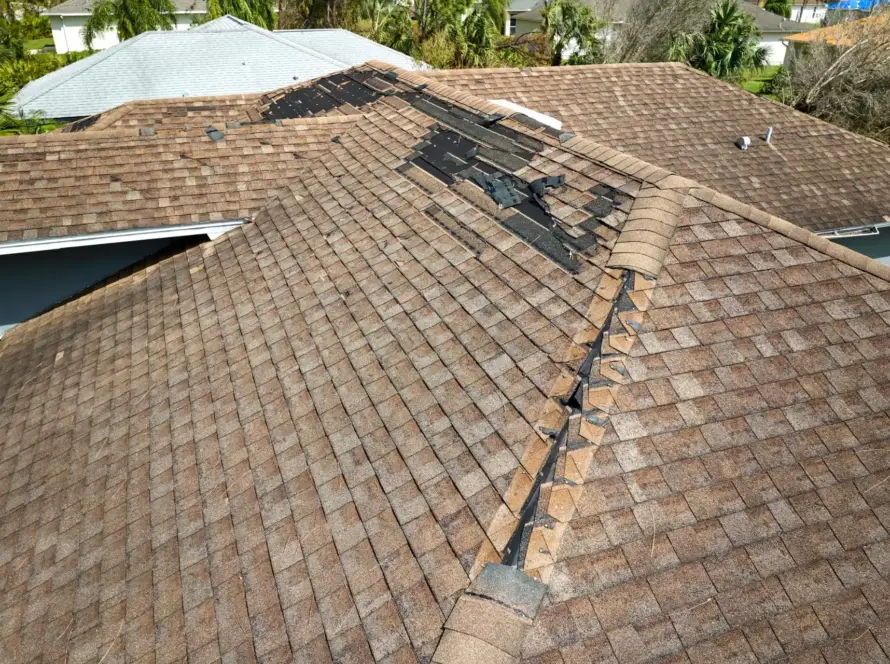
One roof repair doesn’t necessarily mean you need a replacement, but if new problems keep appearing or the damage is no longer isolated to one area, then another patch is simply delaying the main issue and may not be enough to solve the larger problem. Look for multiple signs of wear when you notice repairs are becoming more frequent.
A few signs can help you recognize when you may be reaching that point:
- Repeat repair calls. If your roof needed a repair last year and suddenly needs another this year, it may be worth looking at the condition of the roof as a whole rather than continuing to repair one spot at a time.
- Widespread granule loss or curling shingles. Damage appearing across multiple areas can indicate broader wear rather than one isolated problem.
- Age. Asphalt shingle lifespan varies by product, installation, maintenance, and weather exposure. As a roof approaches the expected lifespan of its roofing system, its overall condition becomes increasingly important when deciding between repair and replacement.
- Sagging rooflines or soft decking. These may point to moisture damage beneath the shingles that needs more than a patch.
- Ventilation or moisture problems. Ongoing attic moisture or poor airflow can be a sign that more than the shingles need attention.
The real question isn’t simply whether another repair can be made. It’s whether putting more money into the existing roof still makes sense for your home.
If you’re dealing with a specific storm-related issue rather than general wear, our guide on handling roof damage covers how to tell whether a single event calls for a repair or something bigger.
Choosing the Right Shingles
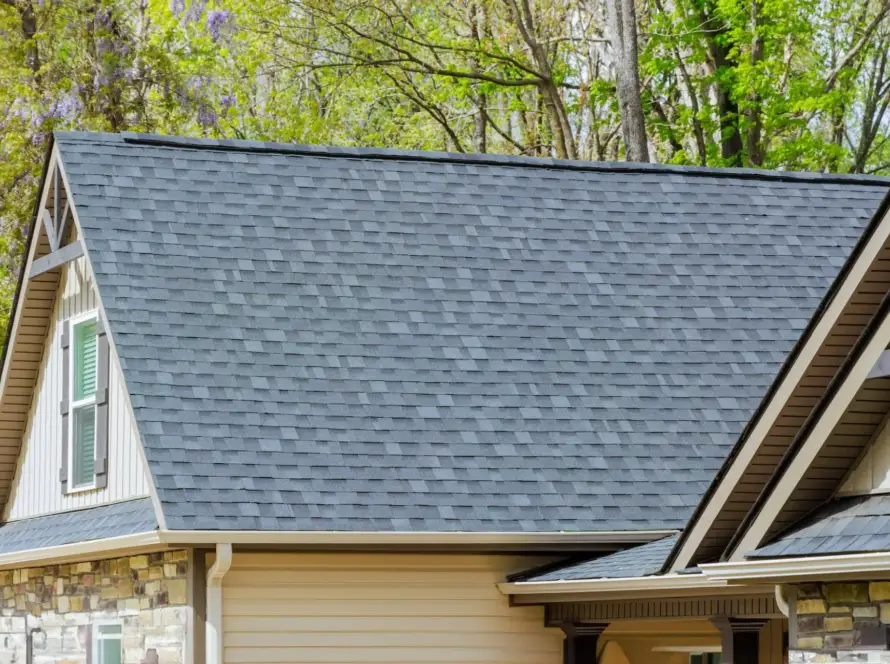
Once you’ve decided a roof replacement makes sense, the next question is what type of shingle belongs on your home. Architectural shingles, also called dimensional shingles, and traditional three-tab shingles are both asphalt roofing products, but they differ in construction, appearance, performance, and cost.
| Three-Tab Asphalt Shingles | Architectural Shingles | |
|---|---|---|
| Construction | Single-layer, lighter profile | Thicker, layered construction |
| Wind resistance | Varies by product | Typically higher, depending on the product |
| Appearance | Flat, uniform | Dimensional, textured |
| Upfront cost | Lower | Higher |
| Best suited for | Projects where upfront cost is a priority | Homeowners prioritizing appearance and longer-term performance |
GAF, Owens Corning, IKO, and CertainTeed all offer different shingle options, but the name on the package only tells you so much. Look at the specific product, its warranty, and what you actually need from your new roof.
For some homeowners, the lower upfront cost of three-tab shingles may make sense. Others may prefer the thicker construction and appearance of architectural shingles. In Eastern Idaho, wind and changing weather should also factor into the product you choose.
If you’re looking beyond asphalt shingles for your roof replacement, standing-seam metal roofing is another long-term option to consider, though it requires a higher initial investment.
What to Expect During a Roof Replacement
A typical residential roof replacement involves the tear-off of the old roofing material, an inspection and repair of the roof deck underneath, installation of new underlayment and shingles, and a full site cleanup, usually completed in one to three days, depending on roof size and weather.
- Tear-off. The old shingles, underlayment, and any damaged flashing come off down to the roof deck.
- Deck inspection and repair. This step catches hidden damage. Soft or rotted decking gets replaced before anything new goes on top of it. Skipping this is one of the most common ways a “new roof” fails early, and it’s the step homeowners are most tempted to skip on a tight budget.
- Underlayment and flashing. New waterproof underlayment and flashing around chimneys, vents, and valleys go down before the shingles do.
- Shingle installation, following manufacturer specifications for nail placement and exposure to maintain wind-rating warranties.
- Ventilation check. Proper attic ventilation helps manage heat and moisture and can reduce conditions that contribute to ice damming in winter.
- Cleanup. A magnetic sweep for nails, tarps to protect landscaping, and full debris removal are part of how we close out every job, and it’s a fair question to ask any contractor before you sign.
The weather is the biggest variable in a timeline. A straightforward single-story roof can be done in a day under good conditions; a larger or more complex roofline may take two to three. Replacing a roof is a bigger investment than making another repair, but the decision becomes easier when you understand your current roof’s condition and what the replacement process entails.
Raven Roofing & Construction helps Eastern Idaho homeowners evaluate those factors, compare roofing options, and determine when it makes sense to move from repairs to a complete roof replacement for their home.
Frequently Asked Questions
Q: How do I know if I need a new roof or just a repair?
A: Look at the roof as a whole. If problems keep coming back, wear is showing up in several areas, or the roof is getting older, replacement may be worth considering.
Q: What’s the difference between architectural and three-tab shingles?
A: Both use asphalt, but architectural shingles are built with more layers. This gives them a thicker look and added durability compared to three-tab shingles.
Q: How long does a roof replacement take?
A: Most residential roof replacements take one to three days, depending on the roof’s size, complexity, and weather conditions during installation.
Q: How much does a roof replacement cost?
A: Pricing varies from roof to roof. Size, materials, roof design, and any decking that needs repair can all affect the final cost. An estimate will give you a clearer number for your home.
Ready to Upgrade Your Roof?
If your roof is showing its age or repairs are becoming a recurring expense, Raven Roofing & Construction can help you evaluate its condition, compare your roofing options, and determine the right next step for your home.
Serving homeowners throughout Idaho Falls, Rexburg, Rigby, and surrounding Eastern Idaho communities. Request a Free Roof Replacement Estimate today.